No evidence of hormonal, hepatic, or systemic adverse effects has been observed in available research data
(Regular price 500 you save 150)
Never Share a Pen or Needle: Sharing of pens or needles poses a risk of infection

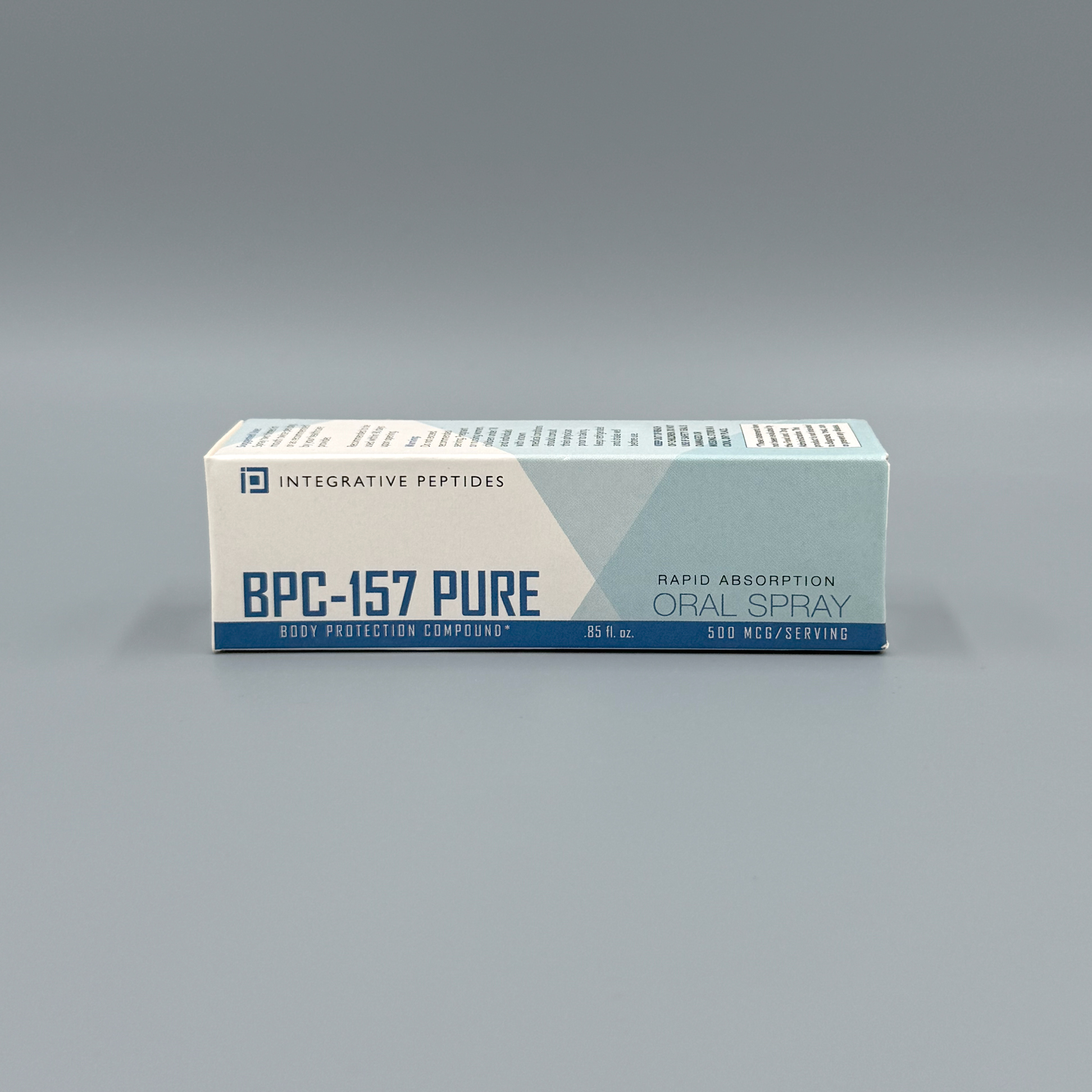
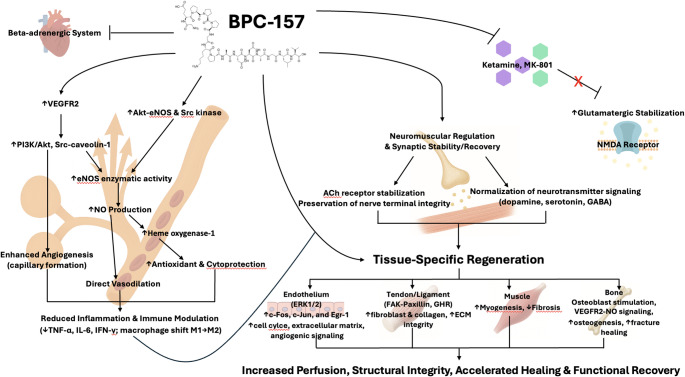
The Four-Phase Recovery Cascade Phase 1 Hemostasis & Early Inflammation (Hours 0-24): KPV modulates initial inflammatory response, preventing excessive damage while BPC-157 initiates angiogenesis Phase 2 Proliferation (Days 1-14): TB-500 facilitates cell migration, BPC-157 expands vascular network, GHK-Cu begins collagen deposition, KPV maintains controlled inflammation Phase 3 Remodeling (Days 7-28): GHK-Cu organizes matrix structure, TB-500 maintains tissue flexibility, BPC-157 ensures vascular support, KPV promotes resolution of inflammation Phase 4 Maturation (Days 21+): GHK-Cu continues matrix refinement, all peptides support tissue homeostasis, KPV prevents fibrotic transformation Research Applications: Complete Recovery Stack Inflammatory Bowel Disease (IBD) Research The Complete Recovery Stack is particularly well-suited for IBD models: DSS-Induced Colitis: KPV reduces inflammatory markers, BPC-157 heals mucosa, TB-500 enhances epithelial migration TNBS Colitis: Comprehensive healing of chemical-induced intestinal damage Crohns Models: Transmural healing supported by all four mechanisms Ulcerative Colitis: Mucosal repair with reduced relapse potential Wound Healing with Inflammatory Complications Infected Wounds: KPVs antimicrobial properties plus structural repair Diabetic Wounds: Addresses both impaired healing and excessive inflammation Burn Injuries: Controls hyperinflammatory response while promoting regeneration Pressure Ulcers: Comprehensive repair in ischemic, inflamed tissue Autoimmune & Inflammatory Conditions Arthritis Models: Joint inflammation control with cartilage protection Dermatitis: Skin barrier repair with immune modulation Psoriasis Models: Keratinocyte regulation and inflammation reduction Tissue Inflammation: Any model where inflammation impairs repair Mitochondrial & Energy Metabolism Research Cellular Bioenergetics: KPV and GHK-Cu both support mitochondrial function Metabolic Syndrome Models: Addressing inflammatory component of metabolic disease Aging Research: Multi-system approach to age-related decline Comparative Research Opportunities 4-Peptide vs 3-Peptide: Quantify added value of KPV With vs Without Immune Modulation: Role of inflammation in healing outcomes Acute vs Chronic Inflammation Models: Stack efficacy across inflammatory contexts Component Subtraction Studies: Determine essential vs optional components Reconstitution & Research Dosing Reconstitution Protocols Option 1: Separate Reconstitution (Maximum Flexibility) BPC-157 (10mg): 2mL bacteriostatic water = 5mg/mL TB-500 (10mg): 2mL bacteriostatic water = 5mg/mL GHK-Cu (50mg): 5mL bacteriostatic water = 10mg/mL KPV (10mg): 2mL bacteriostatic water = 5mg/mL Option 2: Combined Reconstitution If pre-mixed (80mg total): Add 8mL bacteriostatic water for 10mg/mL concentration Research Dosing Framework Standard Protocol (Separately Reconstituted): Daily Administration: BPC-157: 250-500 g daily TB-500: 2-5 mg twice weekly (or 750 g daily equivalent) GHK-Cu: 1-3 mg daily KPV: 500 g 2 mg daily Inflammatory Condition Protocol: For IBD models or high-inflammation conditions: BPC-157: 500-750 g daily (oral possible for GI) TB-500: 5 mg twice weekly GHK-Cu: 2-3 mg daily KPV: 2-5 mg daily (higher dose for inflammation control) Gut Health Research Protocol: Oral Administration: BPC-157 and KPV can be administered orally for direct gut effects Topical (Colon): Enema formulations can deliver peptides directly to inflamed tissue Systemic: Subcutaneous injection for systemic effects Administration Routes by Research Focus Sample 8-Week IBD Research Protocol Week 1-2 (Acute Phase): BPC-157: 500 g oral + 500 g SC daily TB-500: 5 mg SC twice weekly GHK-Cu: 3 mg SC daily KPV: 5 mg oral daily (divided doses) Week 3-8 (Maintenance/Healing): BPC-157: 250-500 g oral daily TB-500: 2.5 mg SC twice weekly GHK-Cu: 2 mg SC daily KPV: 2 mg oral daily Assessment: Baseline, Days 3, 7, 14, 28, 56 endoscopy, histology, inflammatory markers Complete Recovery vs Skin Repair Stack When to Choose Complete Recovery Stack: Research involves inflammatory bowel disease Infected or contaminated wounds Conditions where inflammation impairs healing Autoimmune or inflammatory disease models Gut health and barrier function studies Need for antimicrobial properties When to Choose Skin Repair Stack: Clean, acute wounds without infection Primary focus on structural repair mechanisms Simpler protocol preferred Cost-sensitive research Want to isolate non-inflammatory repair pathways Quality Assurance Individual Component Testing BPC-157: HPLC 99%, MS 1,419.53 Da TB-500: HPLC 98%, MS 4,963.44 Da GHK-Cu: HPLC 99%, MS 403.93 Da, Cu verification KPV: HPLC 99%, MS 342.43 Da Certificates of Analysis Four individual COAs included (one per peptide) Batch Format: 2026-RECOVERY-XXX Frequently Asked Questions What makes KPV essential for this stack

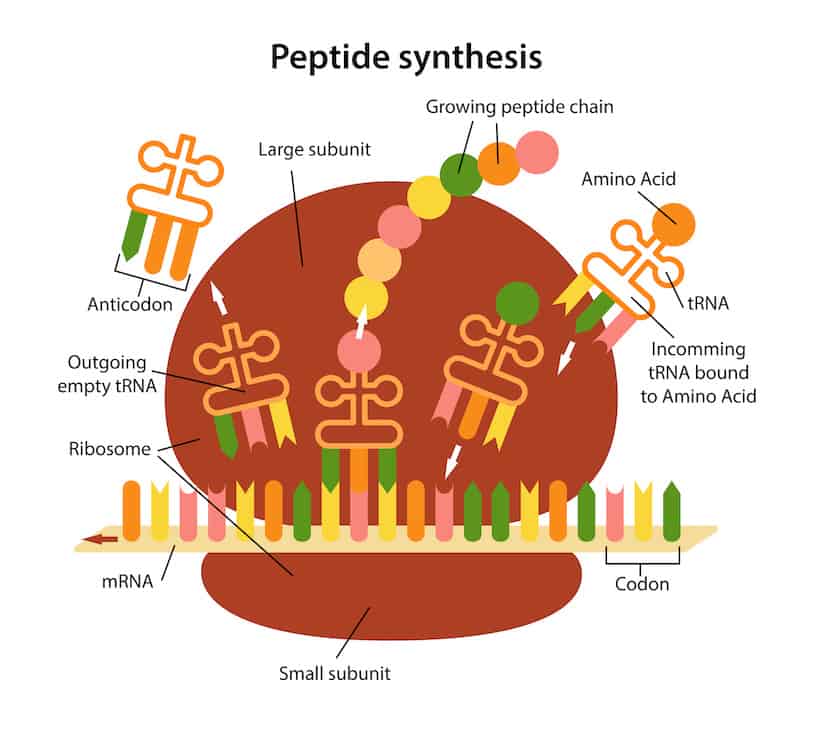
Peptides for recurrent miscarriage support are short chains of amino acids studied for roles in immune regulation, hormone balance, and tissue repair